
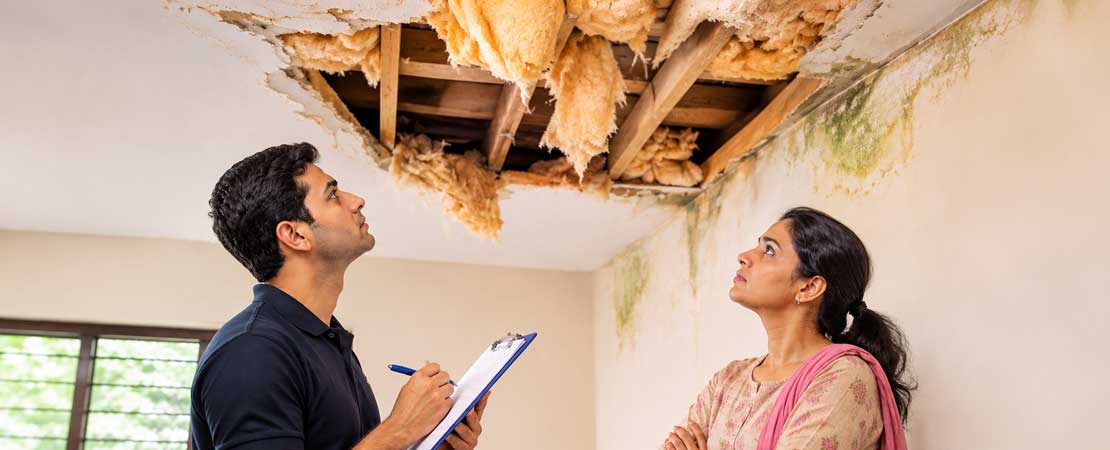
Ventilation is very important because it controls how much moisture is persisting in the home. If one has adequate airflow throughout home; walls, floors, and all the wood in the home will stay dry and not collect moisture. Wood can decay when exposed to moisture. If one lets moisture build up in these areas of the home, they will not only destroy the structural integrity, but they will also cause mold/ termite buildup or other moisture-related problem.
Why Ventilation is important for your home?
Home » Why Ventilation is important for your home?
- October 24, 2020
- Home Inspection

- Introduction
-
Why ventilation is important for your home?
1. Helps in controlling moisture
2. Health of you and your family
3. Improves Air Quality
4. Increases Comfort level
5. Better Air Regulation
6. Reduces Temperature - Some Considerations for good ventilation
- Ventilation tips for better indoor Air
Ventilation is essential for home comfort. Proper ventilation prevents air pollutants from affecting the health of family and home. Without proper ventilation, a home or building can become a house of static air, where bacteria and carbon build-up, making the indoor air unsafe for the inhabitants. Like we do breathing exercises to have good health, similarly, buildings too need to breathe well.
In general terms, Ventilation is a process of replacing still & stagnant air with fresh air. A well-ventilated house is one that ensures sufficient air and sunlight infiltration into the house.
Read the content to understand: Why ventilation is important for your home?

- 1. Helps in controlling moisture
- 2. Health of you and your family
Proper ventilation protects you & your family from unpleasant odours and irritating pollutants. Poor Ventilation increase the risk of airborne diseases, causes allergies, nausea and can also leads to serious health issues like eczema, nervous system damage, and cancer. It causes sick building syndrome. Ventilation prevents the growth of fungus and molds in your home and hence keeps you protected from allergies and breathing issues. To know and understand the health effects, read Poor Ventilation and the health consequences that come with it1.
- 3. Improves Air Quality
If the air inside the house does not move outside, the pollutants such as chemical gases and germs would affect the air quality and cause harm. Ventilation helps expel the pollutants stored inside along with the bacteria, moisture and odour. It controls indoor humidity and airborne contaminants, both of which either contribute to or act as health hazards. Also, it helps in removing volatile organic compounds in house paint, air fresheners, cleaning products. Hence, proper ventilation helps in improving indoor air quality and ensure a healthy living.
- 4. Increases Comfort level
Ventilation controls the humidity level and allows you to breathe easier. When the room is filled with fresh & clean air, the airborne contaminants are eliminated. Moreover, sufficient inflow of air cools the room in the best way and this makes indoor ambiance better. All these add to the increase in the comfort level.
- 5. Better Air Regulation
A well-ventilated home has lower energy bills, and this is the reason why people prefer to live in a place that provides natural ventilation. It lowers the home’s humidity reduces the pressure on the air conditioner and also extends its life span.
- 6. Reduce Temperature
Sometimes when lot of people live in a small home, space becomes hot making the environment unbearable. A proper ventilation system reduces the temperature and makes a home comfortable and relaxed for everyone.
- Some Considerations for good ventilation
In order to achieve good natural ventilation in a home, below considerations can be followed:
- Outlet openings should be just opposite to inlets to ensure better cross-ventilation.
- More height of the room gives better ventilation.
- Inlet openings should be located on the windward side and at low level so that all parts of the room are uniformly ventilated2. Outlet opening should be located on lee ward side(side facing away from the wind) near the ceiling in the side walls. It is nowadays less common in homes.
- Ventilation tips for better Indoor Air
- Use of exhaust fans: Exhaust fans draw air from a particular location and vent it to the outside. Both Kitchens and bathrooms should have an exhaust fan. Bathroom and kitchen fans are a significant part of your home’s ventilation system. They remove odours from your house, which improves indoor air quality. They also remove moisture, which decreases the level of humidity in your house.
- Natural ventilation: Most common method of natural ventilation3 is opening windows and doors. When outdoor air is cooler and drier than your indoor air, by all means, open the windows and let that fresh air flow through.
- Clean air: If exhaust fans and natural ventilation cannot serve the purpose, you can opt for a dehumidifier to reduce the humidity in your home.
- Final Words
Improper ventilation in homes can lead to illnesses and discomfort as well as cause damage due to poor moisture & temperature control.
Whether you are living in a home, fresh air is essential to survive. If you are searching for a new home to move in, check if it has good ventilation. It is very essential for health, efficiency and hygienic conditions. Hence while planning your home it should be ensured that each area/ room is properly ventilated.
Proper home ventilation is essential for the health of the residents and the structure. It controls the build-up of indoor air pollutants and moisture. Therefore, it is utmost important to keep the house adequately ventilated.
Related Categories
Related Blogs
Have a Question?
Talk to our team to understand how a home inspection can help you.
- Conclusion
Damp / Moisture Inspections are a vital aspect of property maintenance that should not be overlooked. By detecting dampness & its sources in its early stages, helps preserving the structural integrity, preventing health hazards, improving energy efficiency, and protecting property value. It helps you identify damp / seepage / leakage sources, giving you long term – least cost – least destructive solutions. It will save property owners from significant expenses and ensure a safe and comfortable living environment. If you haven’t had a damp inspection recently, it is time to consider scheduling one to safeguard your investment and the well-being of those who reside in your property.
- Reference links used:

Written by
MACJ Team
Home Inspection Experts
Our team shares insights, tips and expert advice to help you make safer and smarter property decisions.
- Related Blogs
Why Ventilation is important for your home? Introduction Why ventilation is important for your home? 1. Helps in controlling moisture

Significance of Home Inspections in the Indian Real Estate Landscape Introduction One of the most important financial choices you will
Protect Your Home from Unwanted Damage & Costly Repairs There is no place like Home – It is our Heavenly