
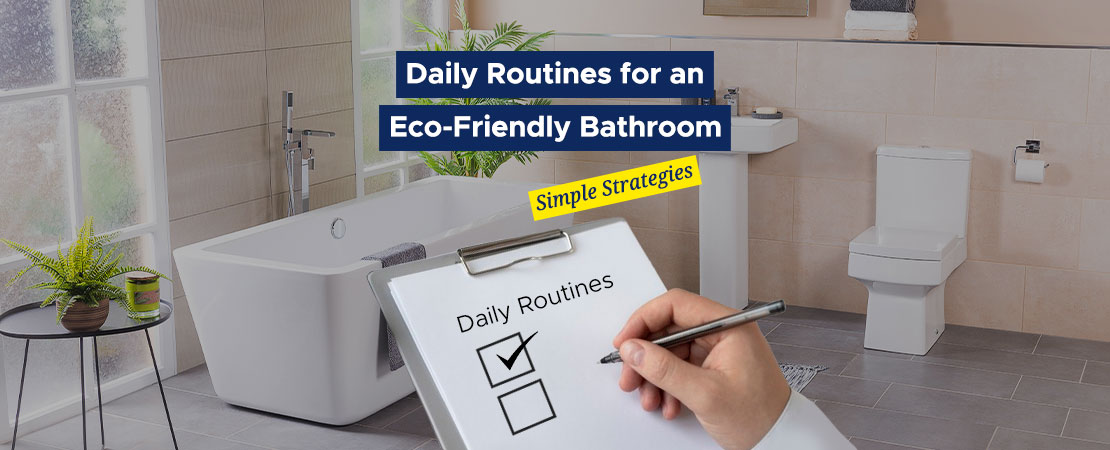
An environmentally conscious bathroom offers numerous natural approaches to maintaining cleanliness. A small shift in habits, coupled with thoughtful resource usage, can significantly contribute to a more sustainable planet. Adequate ventilation and fresh air circulation are essential to prevent mold, dampness, and the accumulation of harmful toxins. Below are some straightforward steps to transform your bathroom into an eco-friendly haven.
Daily Routines for an Eco-Friendly Bathroom – Simple Strategies
Home » Daily Routines for an Eco-Friendly Bathroom – Simple Strategies
- March 28, 2024
- Home Care, Maintenance & Safety
- Introduction
Every day, we consume vast amounts of water during routine household tasks like cleaning, washing, brushing, and bathing, resulting in water wastage and accumulation of germs. Chemical compounds are widely used in traditional cleaning processes.

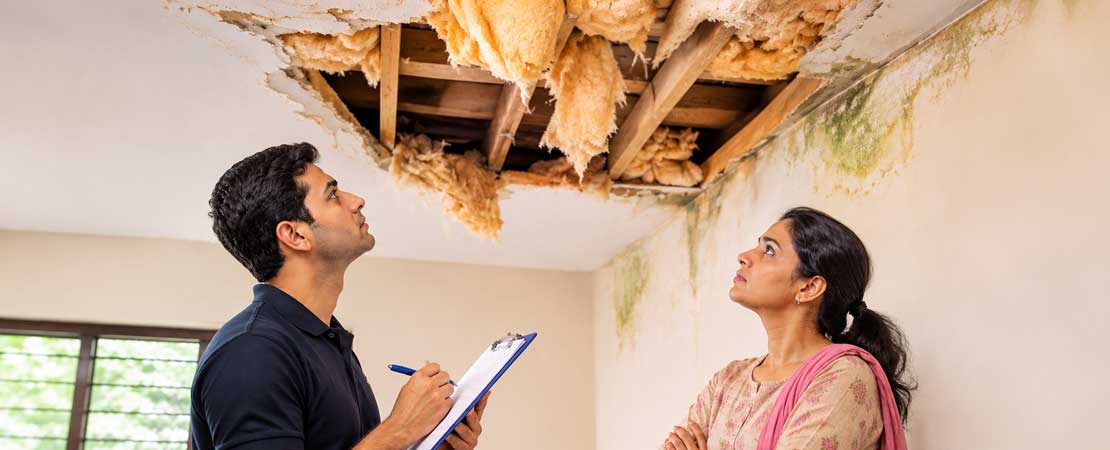
Dampness & seepage
Poor finishing & workmanship
Plumbing and leakage issues
Electrical safety concerns
Structural irregularities
- 1. Water Conservation and Efficiency
It is recommended to avoid excessive water flushing and opt for bathroom fixtures that consume less water. Install a low-flow showerhead, a faucet aerator, and a dual flush toilet to minimize water consumption. This simple adjustment can lead to substantial water savings annually. Additionally, consider eco-friendly alternatives like composting toilets, which do not rely on water.

- 2. Shower Care
After each use, apply a natural mold-fighting solution to the shower, promoting mold elimination through natural means rather than chemical-based solutions. Regularly spraying the shower not only contributes to a cleaner environment but also reduces the need for extensive scrubbing. Prepare a natural disinfectant using a mixture of white vinegar, water, tea tree oil, and lavender essential oil.

- 3. Water Usage Awareness
While water is commonly preferred over toilet paper, it is advisable to minimize water flushing. Utilize recycled paper in your bathroom, and avoid products made from trees. Prevent the spread of bacteria by closing the toilet lid before flushing. Installing a dual flush toilet and retrofitting can result in substantial water savings.

- 4. Natural Scrub for Sink and Bathtub
Utilize a natural scrub made from liquid soap, antibacterial essential oil, and baking soda to clean your sink and bathtub. Employing a sponge or brush with this non-toxic cleanser avoids exposing your bathroom to harmful chemicals.

- 5. Reduction of Disposable Items
Minimize the use of disposable products like toilet paper, replacing them with reusable rags or microfiber for cleaning mirrors, sinks, and other surfaces. Refrain from purchasing disposable toilet cleaning brushes and spray bottles, opting instead to use and reuse existing items.

- 6. Proper Bathroom Ventilation
Good air quality is an indispensable component of a well-designed, sustainable bathroom. The bathroom is usually the most humid space in the house and requires suitable ventilation to keep the air renewed, clean, and free from any infections.
Too much humidity in a concentrated space permits mould and mildew to grow, which can damage building materials and lead to various health issues. To keep the surplus dampness in your bathroom under control, install an energy-efficient ventilation fan. Bathroom ventilation fans have benefited from new machinery that make them more efficient than ever.
Ensure proper ventilation by keeping windows open, leaving the door slightly ajar, or installing an exhaust fan. Given the elevated temperature and steam levels in bathrooms, effective ventilation is crucial to ward off dampness and prevent mold growth.

- 7. Sink Water Conservation
Install a low-flow faucet aerator in your sink to mitigate water wastage. Turn off the tap while brushing or engaging in other activities. The addition of a sink stopper further aids in water conservation.

- 8. Mirror Maintenance
Maintain mirrors using white vinegar to remove stains, employing recycled paper for a shiny surface. This natural remedy is an effective and eco-friendly alternative to chemical cleaners.

- 9. Eco-Friendly Curtains
Avoid PVC curtains in favor of environmentally friendly options made from materials like linen, organic cotton, or coated nylon. PVC curtains release harmful chemicals known as dioxins, emitting an unpleasant odor.

- 10. Sustainable Personal Care
Replace branded body moisturizers with natural alternatives like essential oils, shea butter, or cocoa butter. Opt for a toothbrush with a replaceable head or a recyclable plastic toothbrush. Choose eco-friendly items for shampoos, conditioners, skincare, and hair care products. Consider using replaceable head razors instead of disposable ones.

- 11. Energy-Efficient Lighting
Switch to energy-efficient LED bulbs to save energy. LED is the best option for eco-friendly bathroom appliances. Washrooms, in particular, use a lot of light bulbs, each for a shower area, a toilet area, and near the mirror. As a result, the cumulative effect of switching to LED in the bathrooms will be more significant than in any other room in the house. Also, LEDs produce a range of lighting effects that can help you create the perfect look and feel. Consider using natural light during the day by keeping windows uncovered when possible.

- 12. Bathroom Sprays
Combat unpleasant odors with natural sprays containing mixtures of vinegar, baking soda, and essential oils.

- 13. Eco-Friendly Fabrics
Select organic towels and linens for your bathroom to promote both personal well-being and environmental health. Towels and linens made from bamboo, known for its antibacterial properties, offer a sustainable alternative. Many conventional towels and linens may contain pesticides, posing risks to human health and the environment.
Taking these steps not only transforms your bathroom into an eco-friendly space but also contributes to a healthier and more sustainable lifestyle.

- 14. Add Green Touch
Enhance the aesthetic and sustainability of your bathroom by incorporating a touch of greenery. With the increased focus on maintaining clean indoor air, especially in the wake of the global pandemic, it’s essential to create a fresh and inviting atmosphere in every part of your home, including the bathroom.
Consider adding air-purifying plants, moss floor mats, or even green vertical walls to introduce low-maintenance greenery that not only beautifies but also promotes a cleaner environment by combating excessive moisture. Enhance the ambiance further by placing flower vases in the bathroom, changing them daily to keep the air both clean and fragrant.
Swap out traditional PVC bath mats for anti-bacterial, eco-friendly alternatives to contribute to a healthier and more sustainable lifestyle. This simple yet effective change not only adds a sleek and natural element to your bathroom but also aligns with a commitment to eco-conscious choices.

- 15. Maintaining the bathroom
Once you have created an eco-friendly bathroom, its maintenance is equally important. Unclog the drains, be mindful of mold and fix leaky faucets. To safeguard your bathroom against the insidious invasion of molds, dampness, and fungus, proactive measures are paramount. Ensure proper ventilation by utilizing exhaust fans or opening windows after showers to reduce humidity levels. Regularly inspect and repair leaks promptly, as stagnant water serves as a breeding ground for these unwanted intruders. Employ eco-friendly cleaning solutions, such as vinegar or tea tree oil, to disinfect surfaces without harming the environment. Invest in moisture-resistant paints for walls and ceilings, and opt for shower curtains and bath mats that are easy to clean and inhibit mold growth. Consistent maintenance, coupled with sustainable practices, will fortify your bathroom against the encroachment of molds and fungi, fostering a healthier and eco-conscious living space. Make sure that you continue to follow the eco-friendly practices that you started with.
Related Categories
Related Blogs
Have a Question?
Talk to our team to understand how a home inspection can help you.
- Conclusion
Limiting water wastage through mindful habits, choosing energy-efficient options, and incorporating greenery not only contributes to resource conservation but also foster a healthier living space. The shift towards eco-friendly bathroom practices aligns with a global commitment to sustainability, acknowledging the interconnectedness of personal choices with broader environmental challenges.
In essence, an eco-friendly bathroom is a testament to an individual’s dedication to preserving natural resources, promoting cleaner air, and minimizing their ecological impact. As we navigate a world increasingly aware of the need for environmental stewardship, the choices we make in our bathrooms become integral to a sustainable and harmonious future.
- Internal Reference Links :
- External Reference Links:
1. Amazon.in : faucet aerator amazon
2. Homemade All-Purpose Cleaner – Detoxinista
3. dual flush button replacement – Google Shopping
4. Natural Cleansers – My Fresh Air
5. AUTOFRILL Microfiber Cloth for Car 40×40 cm 240 GSM Multipurpose Cloths Kitchen Cleaning Cloth Automotive Microfibre Towels for Bike Car Cleaning Cloth Polishing Washing Detailing (2 Pcs) : Amazon.in: Car & Motorbike
6. Amazon.in: ECO365: Water Saving Taps Aerators
7. Volatile Vinyl – REP 008.pdf (chej.org)
8. natural alternatives like essential oils, shea butter, or cocoa butter. amazon – Google Shopping
9. https://www.lighting.philips.co.in/consumer/long-lasting-led-lights/energy-saving-led-bulbs
10. Eddika 100% Turkish Bamboo Fiber Bath Towel | Antibacterial Anti Odour eco-Friendly and Sustainable Bamboo Fibre Towel I Ultra Soft & Quick Dry Towel for Home & Travel (150 x 75 cm Peach Set of 1) : Amazon.in: Home & Kitchen
11. 9 Amazing Benefits of Having Indoor Plants in Your Home – My Fresh Air
12. Buy LUBELA Shower Room Bath Mat | Non- Slip Base Memory Natural Rubber Bathroom Quick Water Door Shower Mat | Machine Washable Soft Microfiber, 60 x 40cm, Oval, Waterproof Mat | Suitable for Bedroomm Online at Low Prices in India – Amazon.in

Written by
MACJ Team
Home Inspection Experts
Our team shares insights, tips and expert advice to help you make safer and smarter property decisions.
- Related Blogs

Why Ventilation is important for your home? Introduction Why ventilation is important for your home? 1. Helps in controlling moisture

Significance of Home Inspections in the Indian Real Estate Landscape Introduction One of the most important financial choices you will
Protect Your Home from Unwanted Damage & Costly Repairs There is no place like Home – It is our Heavenly